Introduction: Celebrating the Bonds That Shape Us
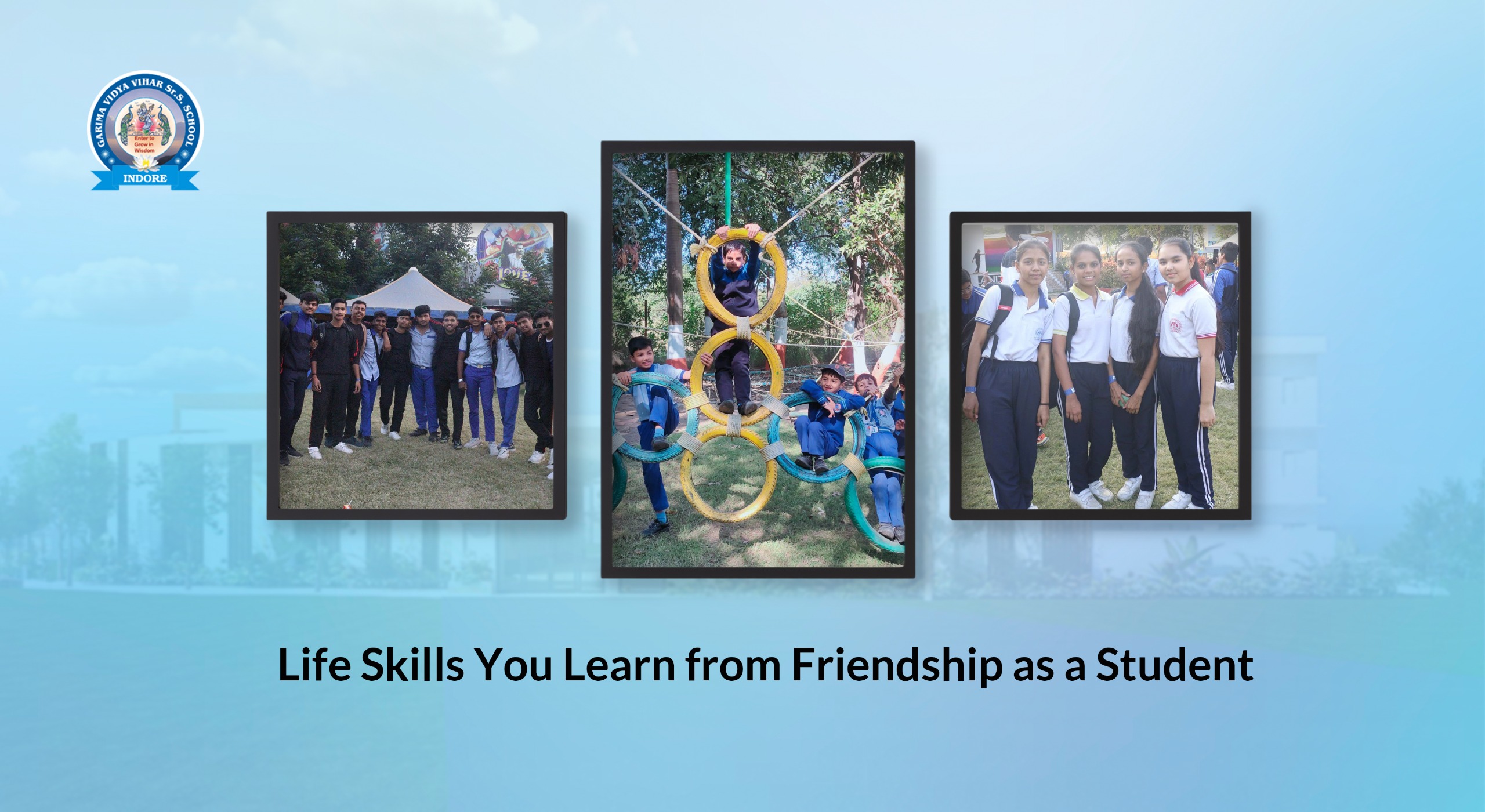
Friendship isn’t just a personal connection; it’s one of the strongest influences in a student’s life. From sharing secrets during lunch breaks to standing together in group projects, friendships in school go far beyond casual conversations. These relationships help students build trust, learn empathy, and understand the meaning of support and loyalty.
That’s why celebrating Friendship Day in school holds such special importance. It’s not just about exchanging handmade cards or tying friendship bands; it’s a moment to recognise the people who stand by us during both our highs and lows. It also gives students an opportunity to reflect on what healthy friendships look like, how they grow, and what values they teach us.
Through this celebration, students don’t just enjoy a joyful event; they also experience valuable life lessons that stay with them long after the school bell rings.
1. Communication and Listening: The First Skills We Learn
Friendships in school are often our first real lessons in open communication. Whether it’s asking a friend for help with homework or talking about how our day went, students start to understand the power of words. Over time, they learn how to express thoughts clearly, when to speak, and more importantly, when to simply listen.
Listening doesn’t just mean hearing what the other person is saying; it means understanding the emotion behind the words, being patient, and responding with care. Good friends model this behaviour naturally. A student who listens attentively to their friend during a difficult time is not just being kind; they’re building the foundation for future relationships in personal and professional life.
These moments, especially during celebrations like Friendship Day in school, often show how much communication matters. From heartfelt letters to simple gestures, students learn that how you say something can matter just as much as what you say.
2. Handling Conflicts: Learning to Disagree Respectfully
Friendships are not always perfect, and that’s a good thing. Disagreements, misunderstandings, and even temporary fallouts are part of the growing process. For students, learning how to manage these small conflicts with friends teaches them emotional maturity.
When two friends argue, they face the challenge of resolving the issue without breaking the bond. This encourages self-awareness, accountability, and negotiation skills. Students learn how to apologize, how to forgive, and how to agree to disagree, all of which are crucial for success in every stage of life.
Instead of avoiding conflict, students begin to see it as something manageable. Schools that encourage group discussions, peer-led activities, and even classroom conversations around friendship day in school help reinforce the idea that it’s okay to feel upset, and equally okay to fix things through honest communication.
3. Empathy and Emotional Intelligence: Seeing Beyond Yourself
Perhaps one of the most beautiful outcomes of school friendships is the development of empathy. A student begins to recognize when a friend is upset without even being told. They start reading body language, understanding moods, and learning how to offer support without judgment.
This emotional intelligence becomes the backbone of good friendships, and later, good leadership and teamwork. It’s a soft skill, but a powerful one. The ability to sense how someone else is feeling and respond thoughtfully is what makes a person trustworthy and dependable.
During events like Friendship Day in school, when students are encouraged to speak or write about their friends, they often reflect on how their friends made them feel seen, supported, or understood. These small yet powerful experiences build the emotional toolkit every child needs to thrive in relationships throughout life.
4. Teamwork and Sharing Responsibilities: Building Together
Friendships naturally pull students into teamwork. From completing group projects to preparing for school events or simply playing in teams during sports, children learn how to share work, manage roles, and support one another.
When a group of friends organises a friendship day in a school activity, whether it’s decorating the classroom, preparing a skit, or creating handmade cards, they’re not just having fun. They’re learning how to coordinate, divide tasks, meet deadlines, and celebrate each other’s contributions.
These habits of teamwork and mutual respect don’t just stay confined to school life. They build strong future professionals, creative collaborators, and community leaders. And it all begins with learning to work as equals, with and for your friends.
5. Dealing with Peer Pressure: Knowing When to Say ‘No’
Friendship also brings challenges, and one of the most important lessons students learn is how to handle peer pressure. In the urge to ‘fit in’ or be accepted, many children might feel compelled to make choices they’re uncomfortable with. It is within friendships that students often learn to navigate this pressure.
A true friend encourages you to be yourself. When students experience supportive friendships, they learn the value of saying no without fear. They also understand how to support others who may be struggling with similar pressures.
Schools play a major role in this area by initiating conversations around healthy friendships, especially during themed activities on Friendship Day in school. These sessions help students differentiate between positive peer influence and harmful pressure, equipping them with the confidence to stand up for what’s right.
How Garima Vidya Vihar Fosters Life Skills Through celebrating Friendship Day in School?
At Garima Vidya Vihar, the school believes that education goes beyond academics. Students are guided to grow not only as learners but also as emotionally intelligent individuals, and friendships play a major role in this journey.
The school environment is thoughtfully designed to promote peer bonding. From the early years, students engage in group activities, value-based assemblies, and collaborative learning experiences. Whether it’s group projects, team sports, or celebrating special events like friendship day in school, the culture actively encourages mutual respect, sharing, and communication.
Teachers act as mentors who observe and guide social development. If a child struggles with a friendship issue or faces peer pressure, the faculty steps in with patience and empathy, helping them understand and resolve the situation constructively.
Special workshops and life skills sessions further reinforce these values. Students participate in role plays, storytelling, and discussions that help them develop conflict-resolution strategies, emotional awareness, and a healthy sense of self-expression.
By creating a safe and nurturing space where friendships are respected and supported, Garima Vidya Vihar ensures that every student learns how to be a better friend and a better person. It’s this focus on holistic development that makes the school stand out as one of the best learning environments for children in Indore.
Final Thoughts: Friendship Day in school
Friendship isn’t just a beautiful part of student life; it’s also one of the most powerful teachers. From learning how to communicate and resolve conflicts to understanding empathy and resisting peer pressure, students develop core life skills through the friendships they form in school.
Schools that recognize this, like Garima Vidya Vihar, don’t just produce good students. They help raise thoughtful, resilient, and compassionate individuals who know the true meaning of connection and care.