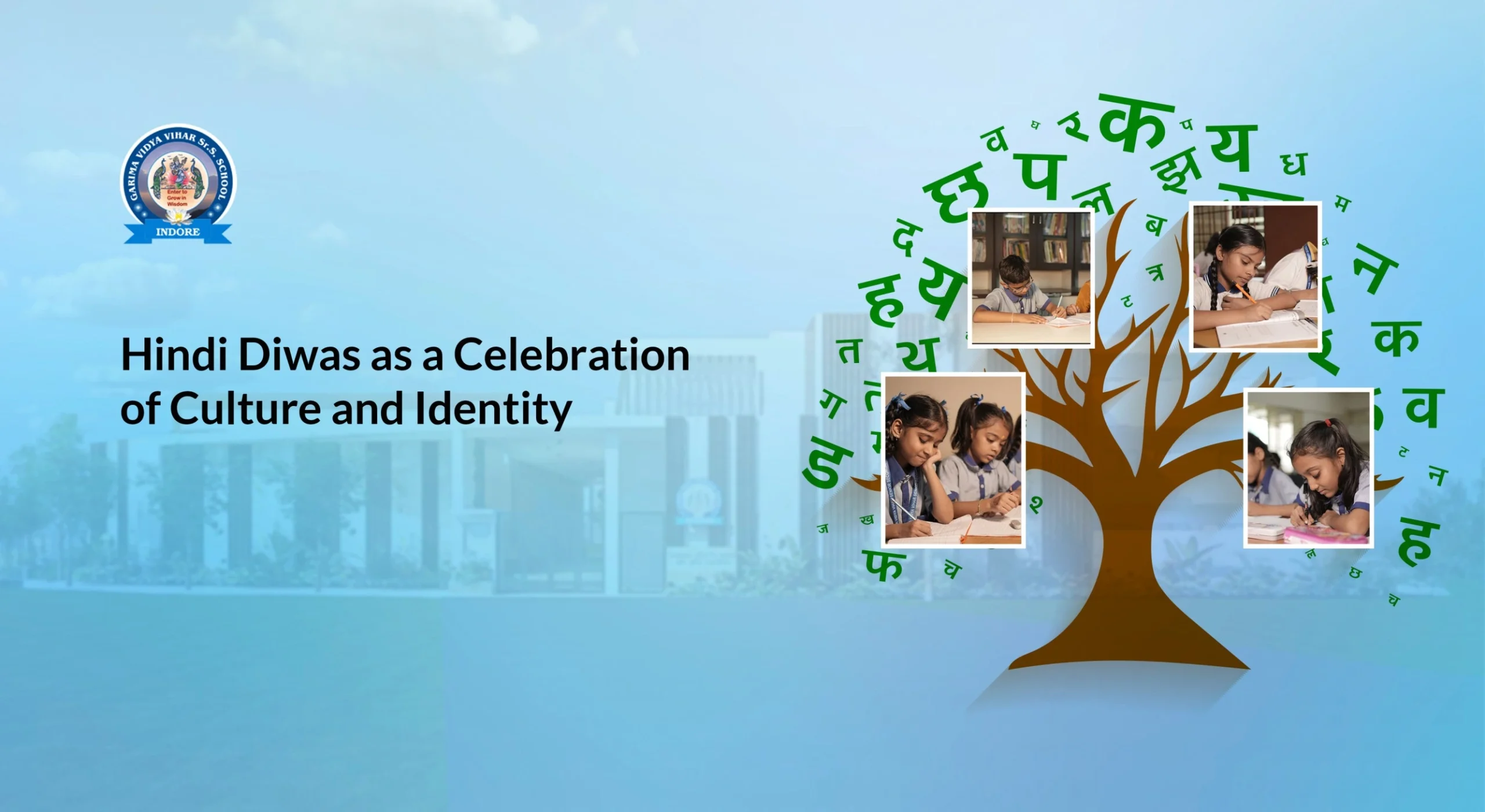
Every year on 14th September, India comes together in unity by celebrating Hindi Diwas. This day marks the adoption of Hindi as one of India’s official languages in 1949. But Hindi Diwas is more than just a historical milestone, it is a celebration of identity, culture, and heritage. It reminds us of the richness of our mother tongue and its ability to strengthen the bonds of unity across a diverse nation.
For students, teachers, and families alike, Hindi Diwas is a chance to pause and reflect on how language shapes who we are. It gives us the opportunity to take pride in speaking Hindi, not as a routine, but as a way of connecting with our roots.
Understanding the Value of the Hindi Language
1. Hindi as a National Identity
Hindi is not just a language, it is a part of India’s national identity. It reflects our shared history and binds people across regions. By celebrating Hindi Diwas, we recognize how Hindi stands as a unifying thread in a country with incredible linguistic diversity.
2. Language that Unites Communities
Whether it is someone from Rajasthan speaking to a person from Bihar, or a family traveling from Madhya Pradesh to Delhi, Hindi often becomes the medium of connection. It bridges communities, helping us communicate beyond state boundaries.
3. Growth of Hindi in Literature and Media
From the works of great poets like Harivansh Rai Bachchan and Mahadevi Verma to modern Hindi novels and Bollywood films, the language has found its place in every household. Celebrating Hindi Diwas also honours these creators who have carried Hindi into global spaces.
4. Hindi as a Bridge Between Generations
Parents and grandparents often pass on values through stories, songs, and everyday conversations in Hindi. This exchange of knowledge and emotions ensures that Hindi is not just spoken but also lived across generations.
Also Read:- Fun and Easy DIY Ideas to Balance Study and Screen Time
Why Hindi Connects Us to Our Roots
1. Preserving Culture and Traditions
Celebrating Hindi Diwas is also about safeguarding traditions. Words and idioms in Hindi capture cultural meanings that are difficult to translate into other languages.
2. Passing Values to Future Generations
Simple greetings like namaste or pranam reflect respect, humility, and warmth. By speaking Hindi, children inherit these values, which help shape their character.
3. Keeping Folk Stories and Poems Alive
India’s folk tales, proverbs, and poetry, whether it’s Kabir’s dohas or village songs, have been preserved in Hindi for centuries. Celebrating Hindi Diwas ensures that young learners stay connected to this treasure.
4. Strengthening Emotional Bonds Through Language
Speaking in Hindi often carries more warmth and emotion than translated words. Families feel more connected when they converse in their mother tongue, deepening relationships.
The Role of Schools in Celebrating Hindi Diwas
1. Activities that Promote Hindi Learning
Schools play a key role in celebrating Hindi Diwas by conducting debates, essay writing, and storytelling activities in Hindi. These not only improve language skills but also build confidence among students.
2. Encouraging Students to Use Hindi with Pride
Children sometimes hesitate to use Hindi in formal spaces. Celebrations on Hindi Diwas remind them that Hindi is not less than any other language, it is a source of pride and strength.
3. Competitions and Cultural Programmes
Drama performances, poetry recitations, and folk song competitions are popular ways schools highlight the beauty of Hindi. They make the day enjoyable while creating lasting memories.
4. Involving Parents in Celebrations
When schools invite parents to join the events, the celebration becomes even more meaningful. It shows children that their families, too, are part of keeping the language alive.
Final Thought
Celebrating Hindi Diwas is not just about honouring a language, it is about recognising our identity, traditions, and values. Hindi gives us stories, songs, and wisdom that connect us deeply to our heritage. It brings generations together and reminds us that language is more than words; it is the heart of culture.
By celebrating Hindi Diwas every year, we honour the past, cherish the present, and inspire future generations to carry forward the pride of our mother tongue. Language is not just a tool for communication, it is the soul of who we are as a nation.