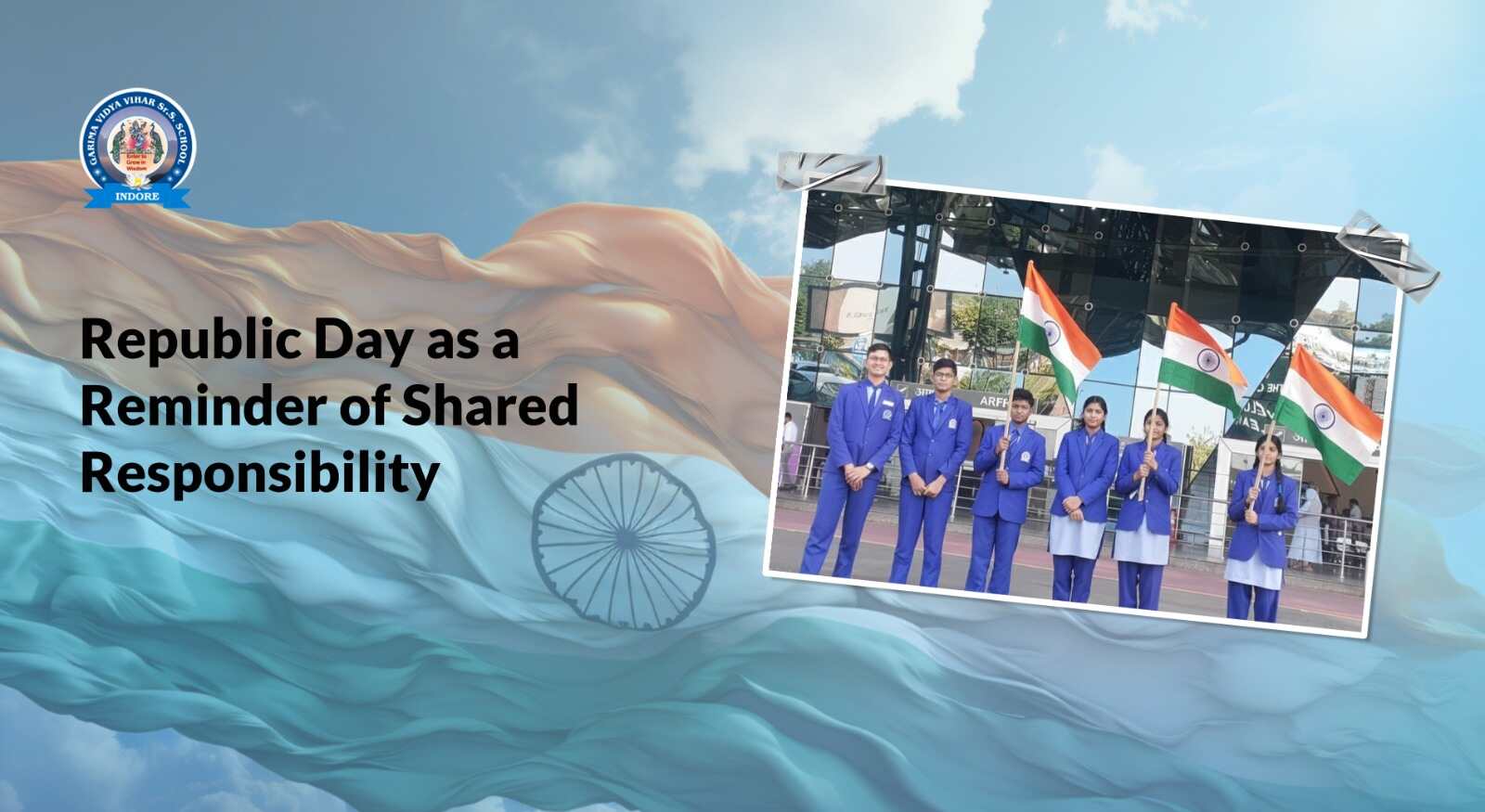
Republic Day is one of the most important national celebrations in India, observed every year on 26th January. It marks the day when the Indian Constitution came into effect and India became a republic. Beyond the parades, flag hoisting, and cultural events, Republic Day reminds every citizen of their shared responsibility towards the nation.
The importance of Republic Day goes beyond celebration. It teaches us the value of democracy, discipline, and unity. Students, especially, can learn lessons about citizen responsibility, national pride, and teamwork through school activities and discussions. By understanding the significance of Republic Day, every individual is encouraged to contribute positively to society and uphold the principles enshrined in the Constitution.
The History of Republic Day
Republic Day is celebrated every year on 26th January to mark one of the most important milestones in India’s history. On this day in 1950, the Indian Constitution came into effect, officially making India a republic. Before this, India was governed under the Government of India Act, and the adoption of the Constitution gave the country its own democratic framework.
The celebration of Republic Day reminds every citizen of the importance of Republic Day in shaping India’s democracy. It is a day to honour the freedom fighters and leaders who worked tirelessly to secure the rights and liberties of the people. The day also serves as a reminder of the shared responsibilities of citizens, encouraging everyone to uphold the values of equality, justice, and liberty.
Why We Celebrate Republic Day
India celebrates Republic Day to honour the adoption of the Constitution, which provides the framework for the country’s laws and governance. The day is a reminder of the struggles and sacrifices made by leaders and freedom fighters who worked to establish a free and democratic India. Celebrating Republic Day also highlights the importance of Republic Day in teaching citizens about democracy, equality, and civic responsibility.
Importance of the Indian Constitution
The Indian Constitution is the foundation of India’s democracy and governs every aspect of citizens’ lives. It defines the rights and responsibilities of every citizen, ensuring justice, equality, and freedom. Understanding the Constitution helps people appreciate why Republic Day is celebrated and why democratic principles matter.
The Constitution also guides citizens on responsibility towards the nation. It teaches students and adults alike about respecting laws, protecting others’ rights, and participating in nation-building. By following these principles, every individual contributes to national unity, peace, and progress. The importance of the Indian Constitution is not only historical but also practical, it is a guide for living responsibly and upholding the democratic values India stands for.
What Is Civic Responsibility?
Civic responsibility means the duties and obligations every citizen has towards their country and community. This includes respecting laws, protecting the environment, helping others, and participating in activities that improve society. Civic responsibility is an important lesson from Republic Day, as it reminds citizens that freedom and rights come with duties. Students can learn early that being responsible citizens is as important as enjoying their rights.
Role of Citizens in Society
Citizens play a crucial role in shaping a nation. By following rules, helping their community, and contributing to social development, they ensure the country remains peaceful and prosperous. The importance of Republic Day lies in inspiring citizens to act responsibly. Whether it is voting, participating in cleanliness drives, or helping someone in need, small actions by citizens strengthen democracy and promote national unity.
Lessons Students Can Learn from Republic Day
Republic Day is more than just a celebration; it teaches students important life and civic lessons. By observing and participating in Republic Day events, students can understand their role in society and develop a sense of responsibility. Here are some key lessons with detailed explanations:
1. Understanding the Importance of Rules and Laws
Students learn that rules and laws are essential for keeping society fair and organised. By respecting laws, students understand that their actions affect others, and following rules helps protect everyone’s rights. For example, queuing properly, maintaining discipline during school activities, and following traffic rules are simple ways to practise this lesson.
2. Valuing Teamwork and Cooperation
Republic Day celebrations, such as school parades and group performances, show the power of teamwork. Students learn to work together, listen to others’ ideas, and support each other to achieve a common goal. This teaches collaboration and strengthens social skills, which are essential both in school and later in life.
3. Practising Honesty, Responsibility, and Discipline
Students realise that honesty and responsibility are key to earning trust and respect. Discipline, such as arriving on time for school or completing assigned tasks, helps students stay focused and organised. Participating in school activities during Republic Day encourages them to take ownership of their roles, boosting personal growth.
4. Recognising the Significance of Equality and Justice
Republic Day highlights that every citizen, regardless of background, is equal under the Constitution. Students learn the value of fairness, respect, and inclusion. Understanding equality and justice helps them treat peers kindly, accept differences, and build a harmonious environment at school and in the community.
5. Being Aware of Rights and Duties as Citizens
Students learn that freedom comes with responsibility. Knowing their rights allows them to speak up for themselves, while understanding duties teaches them to contribute positively to society. Activities like school discussions, debates, or community service during Republic Day celebrations help students apply this lesson in real life.
6. Developing a Sense of Patriotism and National Unity
Republic Day inspires students to feel proud of their country and its values. It encourages them to work together, respect national symbols, and participate in activities that promote unity. By learning this lesson, students develop a sense of belonging and are motivated to contribute to the nation’s growth.
Activities to Understand Responsibility
Learning about shared responsibility is easier when students participate in practical activities. Republic Day activities for students are a great way to teach civic duties, teamwork, and leadership in a fun and engaging manner. These activities help students understand their role as responsible citizens while connecting lessons to real-life experiences.
- School Programs and Celebrations
Schools play a key role in teaching responsibility through Republic Day programs and celebrations. Activities like flag hoisting, cultural performances, and morning assemblies allow students to participate actively. By preparing speeches, organising events, or taking part in parades, students learn discipline, teamwork, and leadership. These celebrations also help students appreciate the importance of Republic Day and understand their duties as citizens in a practical way.
- Community Service Ideas for Students
Community service activities help students practise citizen responsibility beyond the classroom. Ideas include helping in cleanliness drives, planting trees, visiting senior citizens, or supporting local initiatives. Through these activities, students learn empathy, social responsibility, and the value of contributing positively to society. Such experiences also make them aware of the role they can play in building a better and united community.
- Role-Playing and Classroom Discussions
Classroom-based activities like role-playing and discussions allow students to explore real-life situations safely. For example, students can act out scenarios about making fair decisions, helping others, or resolving conflicts. These exercises teach problem-solving, critical thinking, and accountability. Classroom discussions about the significance of Republic Day also encourage students to share ideas and reflect on the responsibilities of being a citizen.
In Summary
Republic Day is more than a national celebration; it is a reminder of the shared responsibility every citizen holds towards the nation. By understanding the importance of Republic Day, students learn valuable lessons about democracy, discipline, teamwork, equality, and civic duties. Participating in Republic Day activities for students, whether in school programs, community service, or classroom discussions, helps them apply these lessons in real life and grow into responsible, confident individuals.
At Garima Vidya Vihar, students are encouraged to celebrate Republic Day with purpose and understanding. The school focuses on combining academic learning with life lessons, helping students develop a strong sense of citizen responsibility, national pride, and personal growth. Through activities, discussions, and guided experiences, Garima Vidya Vihar ensures that students not only enjoy the celebrations but also take away meaningful lessons that shape them into responsible and thoughtful citizens.