Introduction
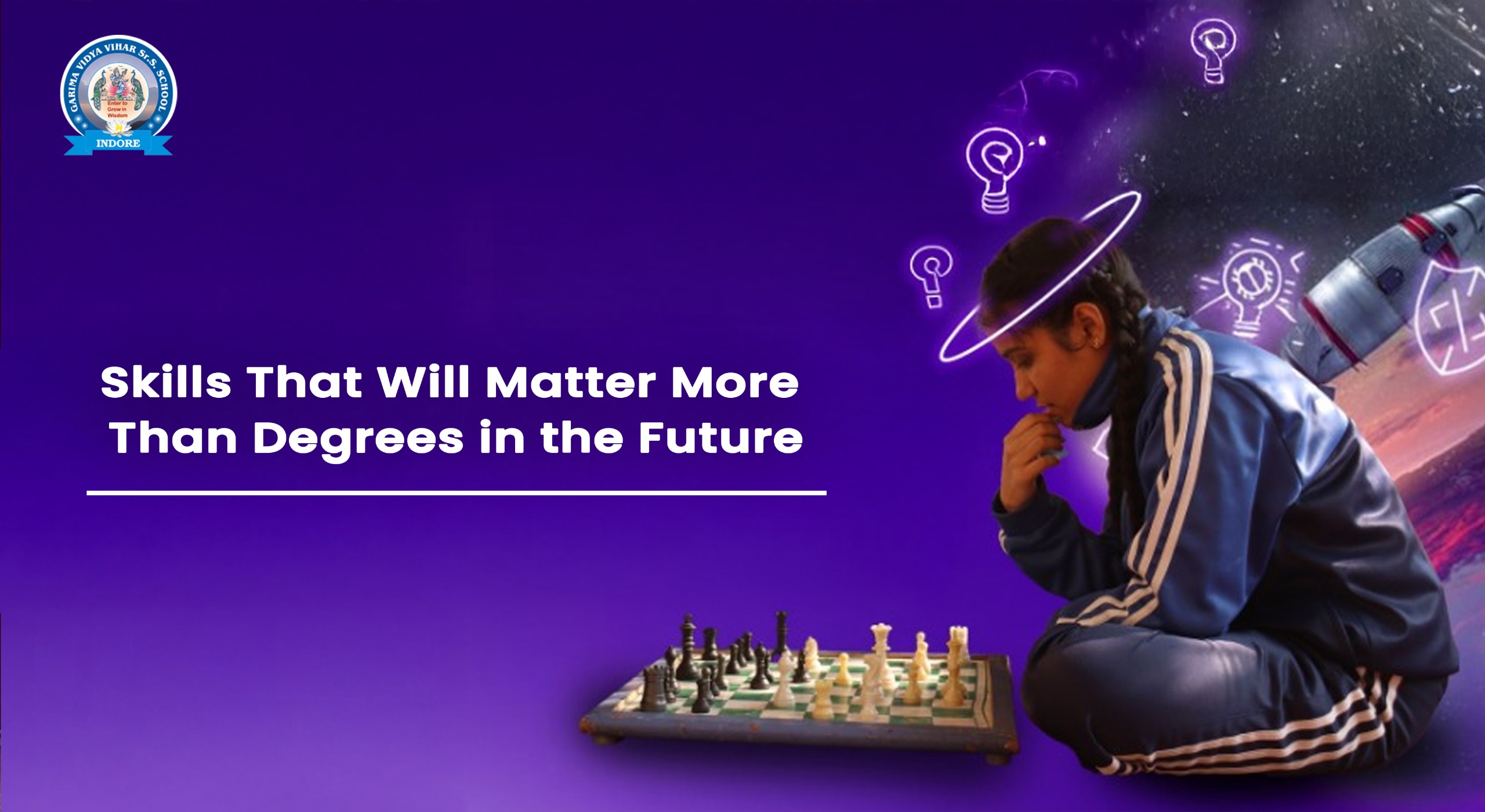
The way we define success in education is quietly changing. Marks and degrees still matter, but they are no longer the only measure of a student’s potential. Parents are beginning to look beyond report cards, teachers are focusing on overall development, and schools are rethinking how they prepare students for life ahead.
This shift brings attention to something far more important, the future skills for students that truly shape confidence, adaptability, and long-term success.
Why Skills Are Becoming More Important ?
The world students are stepping into is very different from the one we grew up in. Careers are evolving, industries are transforming, and new opportunities are emerging every day.
In such a dynamic environment, students need more than theoretical knowledge. They need practical abilities that help them think, adapt, and respond to real-life situations. This is why conversations around future skills for students are becoming central to modern education.
Key Skills Students Need for the Future
Emotional Intelligence
Understanding emotions and managing them effectively plays a big role in a student’s personal and academic journey. When students are emotionally aware, they handle pressure better, communicate more clearly, and build stronger relationships.
This creates a positive learning environment both inside and outside the classroom.
Critical Thinking and Problem Solving
Students today need to move beyond memorisation. The ability to question, analyse, and solve problems prepares them to face real-world challenges with confidence.
It encourages independent thinking and helps students become active learners rather than passive receivers of information.
Communication Skills
Expressing ideas clearly is just as important as having them. Whether it’s speaking in class, writing, or listening to others, communication builds confidence and clarity.
Students who communicate well are more likely to participate, lead, and collaborate effectively.
Adaptability and Willingness to Learn
Change is constant, and students who learn how to adapt early find it easier to grow in any environment. Being open to new ideas and continuously learning helps them stay relevant and confident in uncertain situations.
Digital Awareness
Technology is now a part of everyday life. Students should feel comfortable using digital tools responsibly and effectively.
This doesn’t just mean technical knowledge, but also understanding how to use technology for learning, creativity, and growth.
Creativity and Innovation
Every student has the ability to think differently. Encouraging creativity helps them explore ideas, express themselves, and approach problems in unique ways.
This skill will always stand out, no matter how much the world changes.
Teamwork and Collaboration
Learning how to work with others is essential. Group activities, discussions, and shared projects teach students how to respect different perspectives and contribute meaningfully.
It also prepares them for future environments where collaboration is key.
How Schools Can Build These Skills?
Developing these abilities requires a shift in how learning is delivered. Classrooms need to be more interactive, discussions more open, and activities more practical.
Schools that focus on future skills for students create opportunities for participation, encourage curiosity, and support students in expressing themselves without fear.
Role of Garima Vidya Vihar
At Garima Vidya Vihar, the focus goes beyond academics to ensure students are prepared for life, not just exams. The school actively encourages participation in activities that build confidence, communication, and creativity.
Teachers guide students to think independently, work together, and develop a balanced approach towards learning. This environment naturally supports the development of future skills for students, helping them grow into capable and confident individuals.
Conclusion
As education continues to evolve, the focus is clearly shifting towards what truly matters in the long run. Degrees may open doors, but it is skills that help students walk through them successfully.
By nurturing the right abilities early on, students become more prepared, more confident, and more capable of handling whatever the future brings.